

Five housing initiatives recognized with the 2026 UN-Habitat Scroll of Honour Award
Muscat, 5 October 2026 — UN-Habitat today presented the 2026 UN-Habitat Scroll of Honour Award to five winners from Brazil, Myanmar, Pakistan, Tunisia and the United Kingdom at the global observance of World Habitat Day in Muscat, Oman. The ceremony was hosted by Oman at the Oman Convention and Exhibition Centre.
Held under the theme ‘Adequate Housing for All,’ this year’s observance places housing at the centre of efforts to build inclusive, sustainable and resilient cities. Selected from 101 nominations across Africa, Asia, Europe and the Americas, the winners reflect a range of approaches to this goal – from innovative building materials and affordable housing to support for communities affected by conflict and displacement, and culturally appropriate housing for Indigenous communities.
“This year’s winners prove that the global housing crisis is not beyond our reach – whether they are expanding affordable homes in major cities, turning waste into building materials or giving displaced and Indigenous communities a secure place to live, each of them puts people and their right to a home at the centre of urban development,” said Anacláudia Rossbach, Executive Director of UN-Habitat.
Launched in 1989, the award recognizes individuals and institutions whose work contributes to adequate housing, sustainable urbanization and better urban life, and to advancing the New Urban Agenda and the 2030 Agenda for Sustainable Development.
A global housing challenge
This year’s winners are recognized at a time when the need for action on housing remains acute. UN-Habitat’s World Cities Report 2026 estimates that up to 3.4 billion people lack adequate housing. The SDG 11 Global Report 2026, published by UN-Habitat with partners across the United Nations system, indicates that the world remains far off track to achieve Sustainable Development Goal (SDG) 11, with the number of people living in informal settlements and slums having grown by more than 130 million since 2015, to more than 1.1 billion.
“Housing underpins progress across the Sustainable Development Goals, yet billions of people are still lacking a safe and affordable home,” Ms. Rossbach said. “With only four years left until 2030, we must act and scale up solutions like these. I congratulate this year’s winners and thank all those who took the time to submit nominations.”
The 2026 UN-Habitat Scroll of Honour Award winners are:
- Housing NOW (Bago, Myanmar), for its pioneering contribution to advancing adequate, affordable and resilient housing for communities affected by conflict, displacement, poverty and disasters in Myanmar.
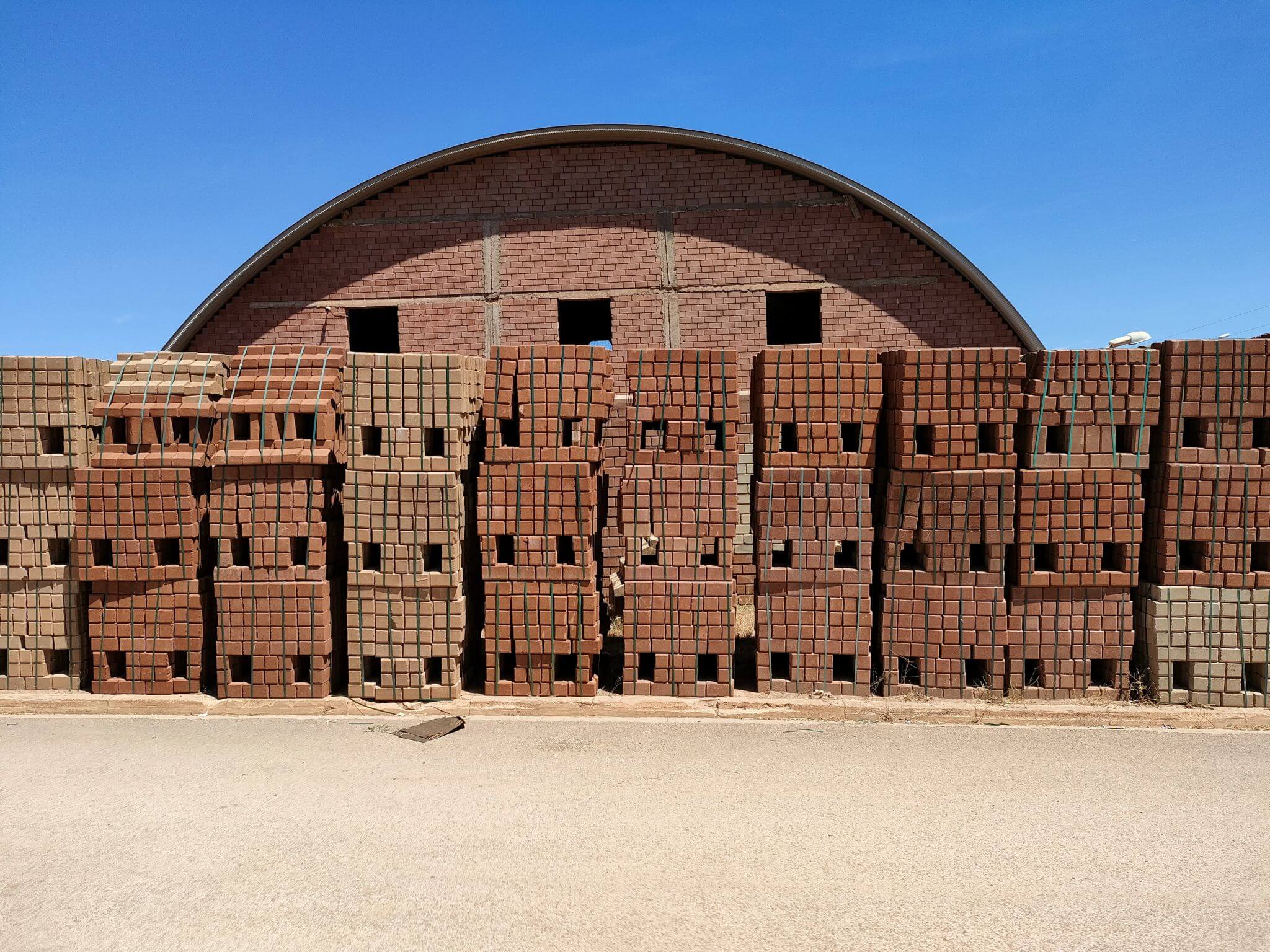
- Abdelmalek Ghannem (Bizerte, Tunisia), for his pioneering construction solutions that transform local and mining residues into innovative, affordable and climate-resilient building materials.
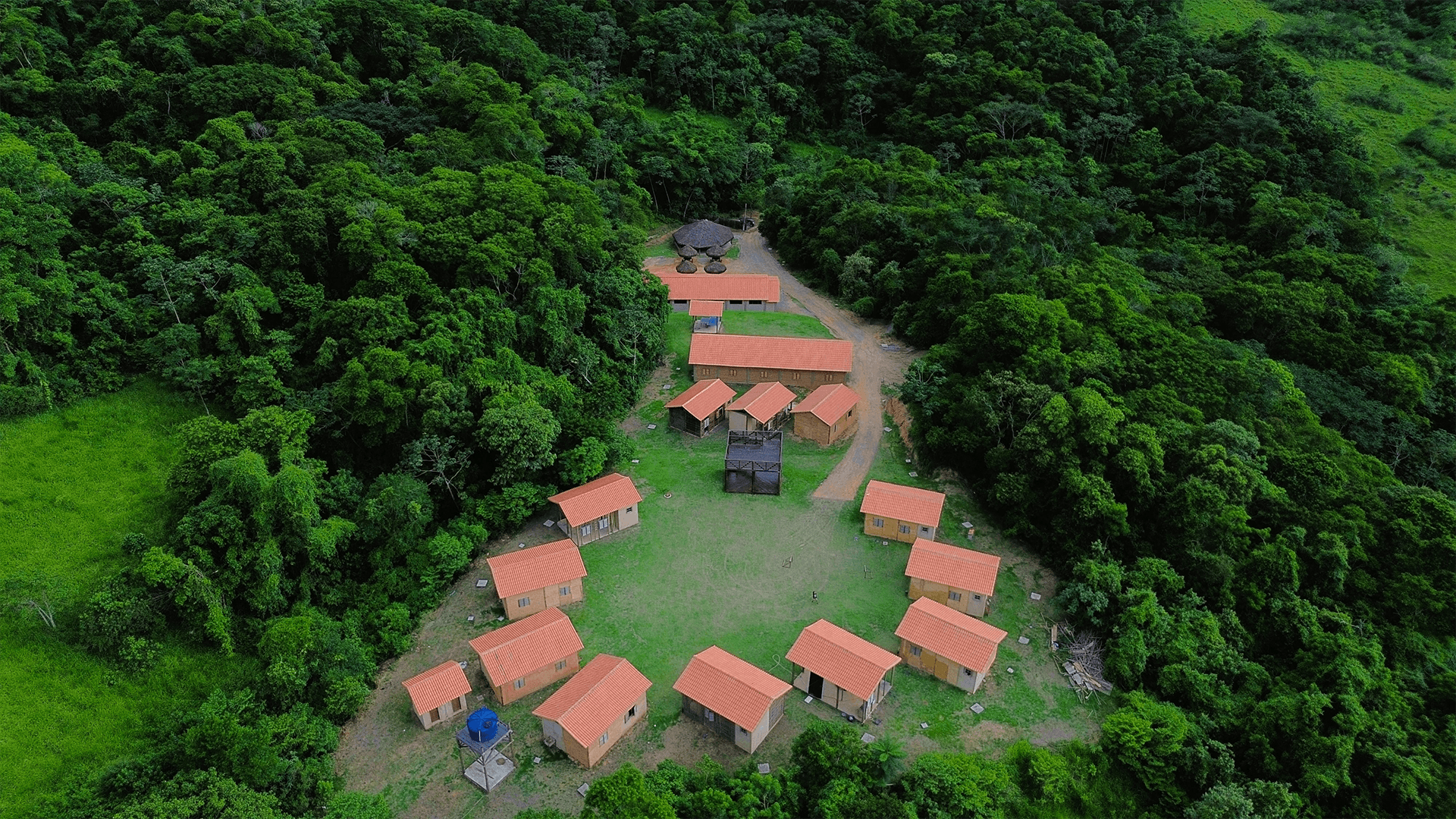
- Aldeia do Espraiado – Tekoa Ara Hovy (Maricá, Brazil), for establishing Brazil’s first municipal Indigenous village and providing secure, culturally appropriate housing, essential services and legal land tenure.
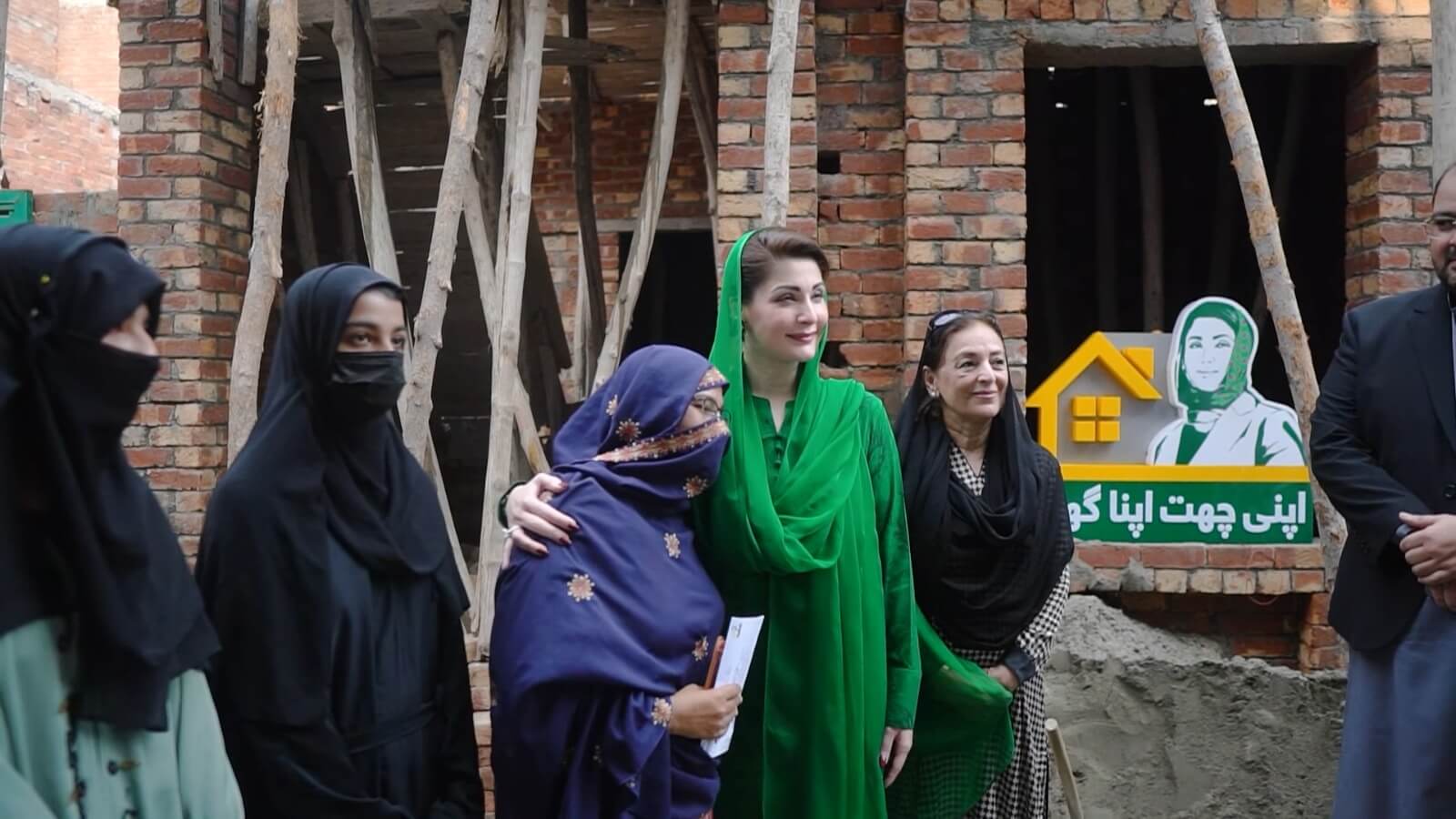
- Punjab Housing and Town Planning Agency (Lahore, Pakistan), for its significant contribution to expanding access to adequate, safe and affordable housing for low-income households.
- Mayor Sadiq Khan (London, United Kingdom of Great Britain and Northern Ireland), for his leadership in advancing affordable and sustainable housing as well as inclusive and climate-resilient urban development in London.
Here is a closer look at each winner and their work.
Housing NOW: Turning local bamboo into safe, low-cost homes
In Bago, Myanmar, the construction organization Housing NOW designs and builds low-cost bamboo homes for families affected by conflict, displacement, disasters and poverty, often in places where regular building materials and builders are hard to reach.
Its main system bundles thin, easy-to-find bamboo stems into strong frames. Workers shape each frame using a portable guide, so an affordable house can be put together on site in about a week. The same design has been used to build homes, classrooms, a preschool, an orphanage and a community centre. After the 2025 earthquake in Myanmar, Housing NOW also helped families rebuild their houses.
“Together, we have turned local bamboo into safe housing, schools and clinics through conflict, displacement and disaster,” said Raphaël Ascoli, co-founder of Housing NOW.
At least half of Housing NOW’s paid workers usually come from the communities it serves, and its illustrated building guide in Burmese helps local carpenters build stronger, longer-lasting bamboo homes on their own.

Abdelmalek Ghannem: Making affordable building blocks from mining waste
Former university professor Abdelmalek Ghannem is working to make homes in Tunisia more affordable to build and less harmful to the environment. In 2009, he founded Société Industrielle de Blocs (SOIB) in Bizerte, a construction company that turns leftover material from quarries and mines into building blocks for homes, schools and other buildings.
The blocks are made by pressing local earth together with this leftover material and are designed to use much less cement than conventional masonry. Because the blocks interlock, builders need little mortar, which can make construction faster and less costly. Once built, the walls can help keep homes cooler in hot weather and may reduce the need for air conditioning.
“Our solution can help many entrepreneurs go green, make sustainable building materials, reduce costs and reduce the carbon footprint of construction,” Ghannem said.
SOIB has completed more than 100 building projects across Tunisia and trained local architects, engineers and builders in its methods. A first franchise on the island of Djerba is now testing whether the approach can work in other places.
Aldeia do Espraiado – Tekoa Ara Hovy: Securing land and homes for Guarani Mbyá community
In Maricá, Brazil, 13 Guarani Mbyá families now live in Aldeia do Espraiado – Tekoa Ara Hovy, the first Indigenous village established by a Brazilian municipality. For more than a decade, the community had lived inside a state park, without an artesian well, a health post or secure rights to the land.
The Municipality of Maricá worked with the families to create the new village. Residents chose the site, and each family helped design its own home, built using traditional methods. The community moved into the village in early 2025.
The village now has a bilingual school, water from wells, solar lighting in shared spaces, a cultural centre, a community kitchen and a health post with a room for traditional medicine. The project, funded by the municipality, offers other local governments one possible way to provide land, homes and services for Indigenous communities.
Punjab Housing and Town Planning Agency: Helping families build on land they own
In Punjab, Pakistan, low-income families who own a small plot of land are building homes on it with support from the Punjab Housing and Town Planning Agency, the Government of Punjab’s principal agency for housing and town planning.
The agency runs the Government of Punjab’s Apni Chhat Apna Ghar programme, launched in 2024, which offers eligible families interest-free loans to build their homes. Families apply online, and the Bank of Punjab and partner microfinance institutions release the funds in stages as construction progresses.
“Through the Apni Chhat Apna Ghar programme, we are helping families across Punjab turn their dream into reality. This honour belongs to every family whose dream now has a door, a roof and a place to call home,” said Maryam Nawaz Sharif, Chief Minister of Punjab.
The programme aims to reach women-headed households, informal workers and other groups who have often been left out of formal housing finance. The approach, which combines interest-free finance, digital systems and partnerships with lenders, may offer useful lessons in contexts where families own land but have limited access to housing finance.
Sadiq Khan: Expanding affordable and council housing in London
As Mayor of London, Sadiq Khan has made good-quality, affordable and sustainable housing a central priority in a city where demand for housing has outpaced supply and many working people find it difficult to live near where they work.
Through his Building Council Homes for Londoners programme, he has supported local councils to build new homes, while his new Key Worker Living Rent tenure sets rents based on the incomes of workers such as nurses and teachers. Planning policy has also helped raise the share of affordable homes in large developments and set higher standards for energy use, living space and building safety.
Residents also have a say in how their neighbourhoods change. Before a large social housing estate is rebuilt, its residents vote on the plans. Together with investment in public transport and cleaner air, these measures offer useful lessons for other cities working towards adequate housing for all.

Legal Disclaimer:
EIN Presswire provides this news content "as is" without warranty of any kind. We do not accept any responsibility or liability for the accuracy, content, images, videos, licenses, completeness, legality, or reliability of the information contained in this article. If you have any complaints or copyright issues related to this article, kindly contact the author above.
